We began our work on the brief by getting into our environments to do a soundwalk as soon as possible. I took mine around Limehouse Basin, near where I live: a marina a good distance from main roads but subject to a great deal of background noise from Commercial Road and London City Airport, as well as the DLR.
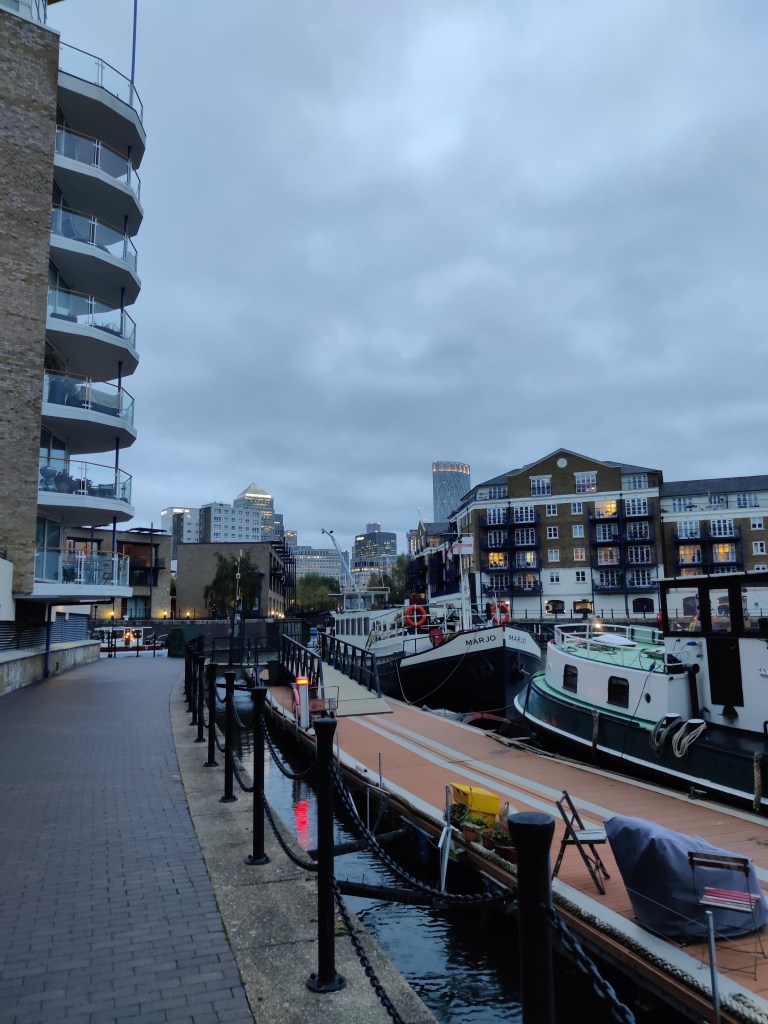
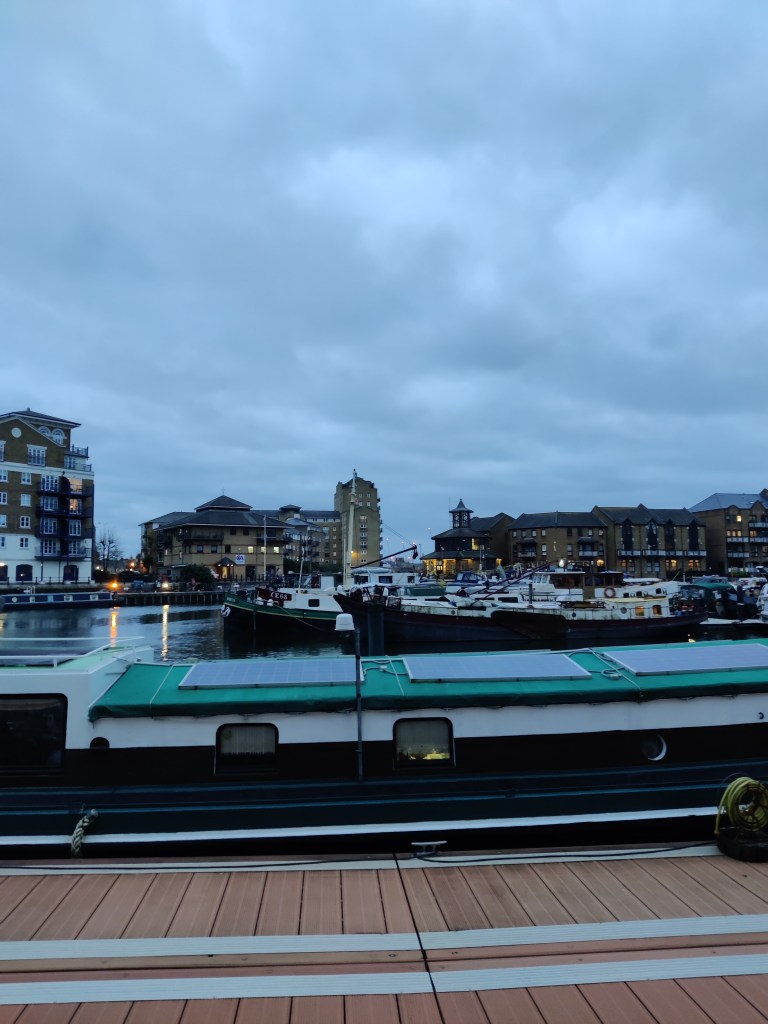
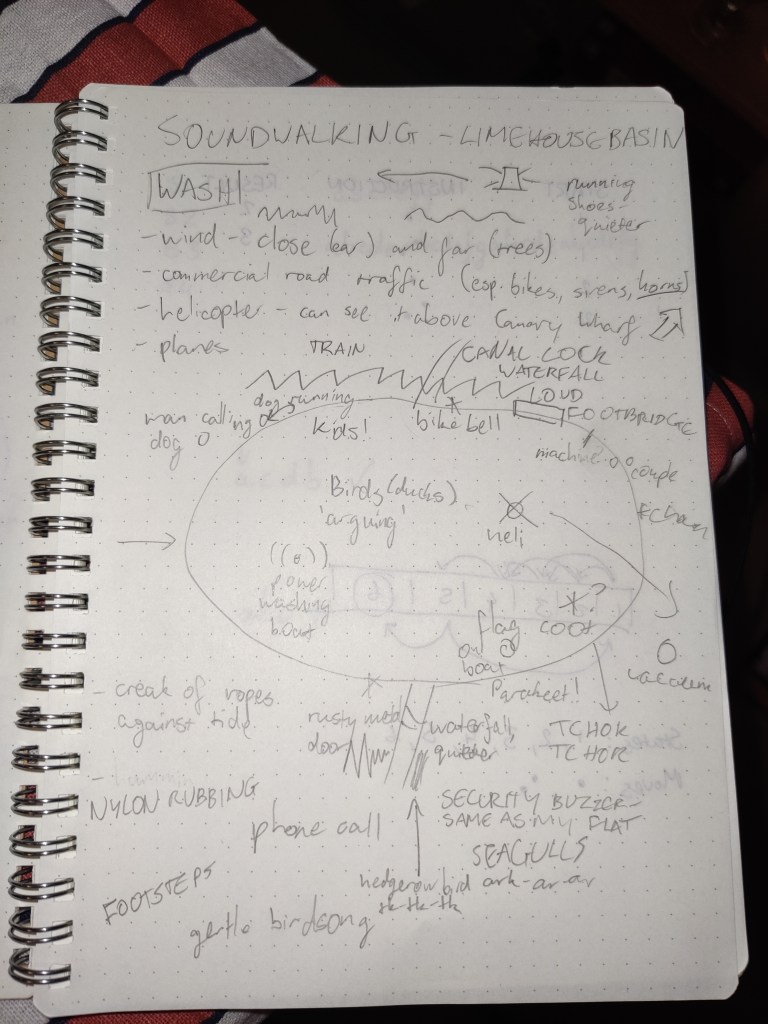
While birdsong was limited to the alarm calls of several water birds and a couple of pigeons, I immediately noticed the way in which the sounds were layered on top of each other by pitch, by volume and by distance. Higher-pitched sounds were more immediately obvious, particularly as background noise was noticeably low-pitched (primarily road and air traffic).
We also spent some time researching the linguistics of birdsong, as I had studied linguistics at an undergraduate level. However, we found the discussion of Chomsky hierarchies and finite state machines to hold less emotive weight to us than the sensation of birdsong, and less easily implementable without significant technical investment, and so we began to move away from this area.
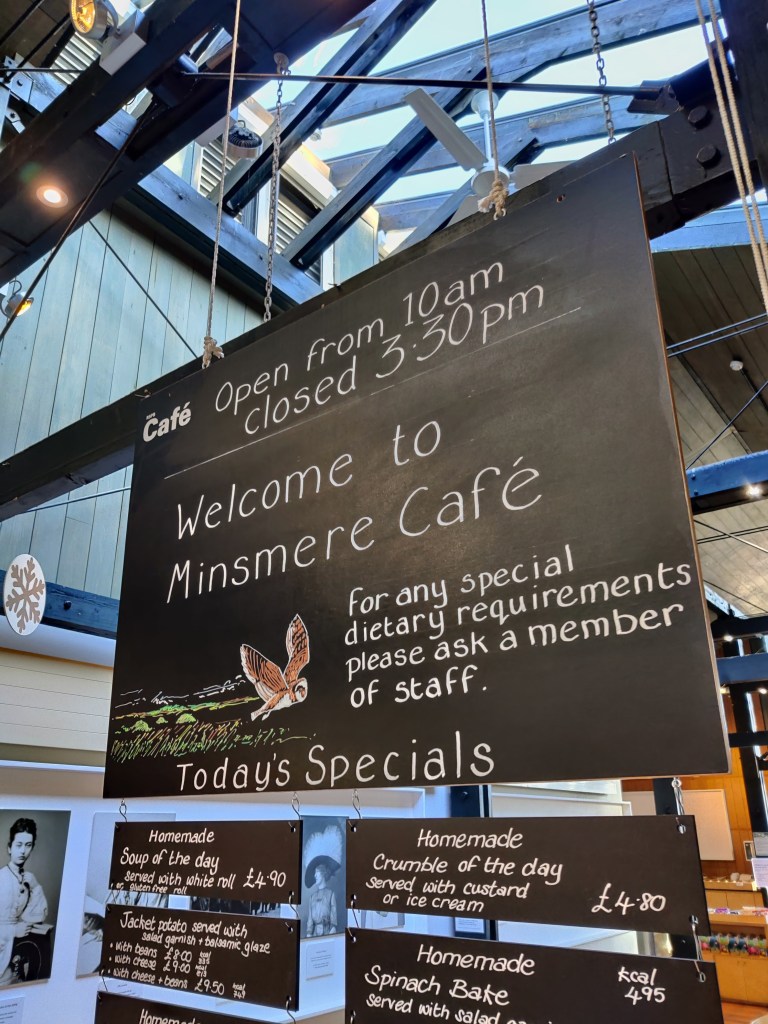
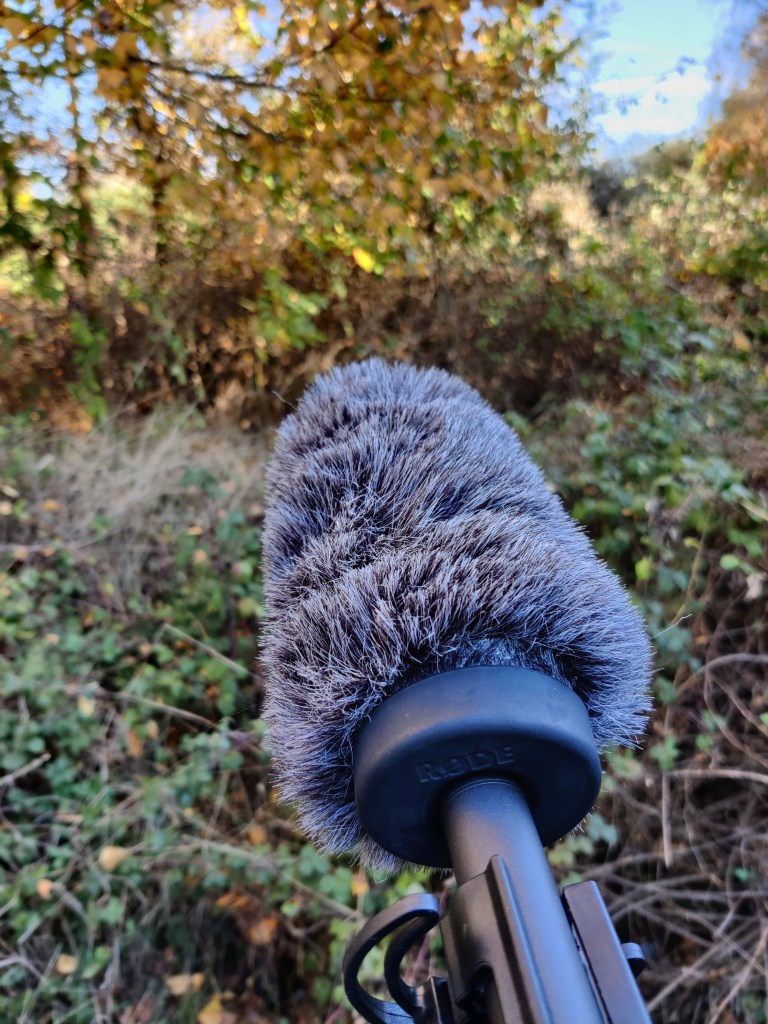
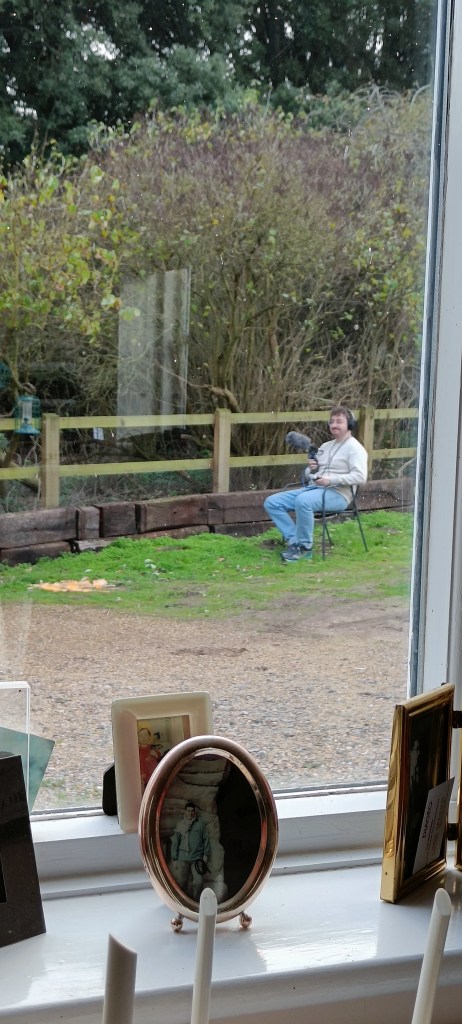
Other members of the team had also noticed the difference in pitch between urban noise and birdsong, for which we found academic backing demonstrating that birds do adapt their songs to urban environments (Mockford and Marshall, 2011). We decided to grab some microphones from the kit room and record some actual birdsong for use in our project – conveniently, I visited my parents at RSPB Minsmere that same weekend.
We also decided to play with physical manifestations of this audio, linking the birdsong to a sampler keyboard. We found a lot of joy in combining the songs with movement, synchronising them to walking and running, and began to think about how this could relate to urban routines.
Ultimately, we settled on the tube, as it made for a perfectly unnatural environment into which we could drag the natural sounds of birdsong. We also decided to link these sounds to the existing communication networks of mobile devices by making them our notification sounds and asking members of the class to text our numbers, displayed at the front of the class – we attempted to match the key of these sounds with an ambient background soundscape made up of bass-y bird calls (a bittern), sounds of the tube and a synth-pad ambient wash.
We received the following feedback:
- Don’t share our personal mobile numbers on screen so freely
- The tube is a good place to start but the concept shouldn’t be so tied to the location
- Expanding scale could be a good place to start
Looking back, this week felt very successful. We developed our ideas quickly enough that experiments generated exciting new directions to take the project, and made a good estimation of the technical difficulty of our work. I’m excited to develop this prototype even further into next week.
 Harry Solomons