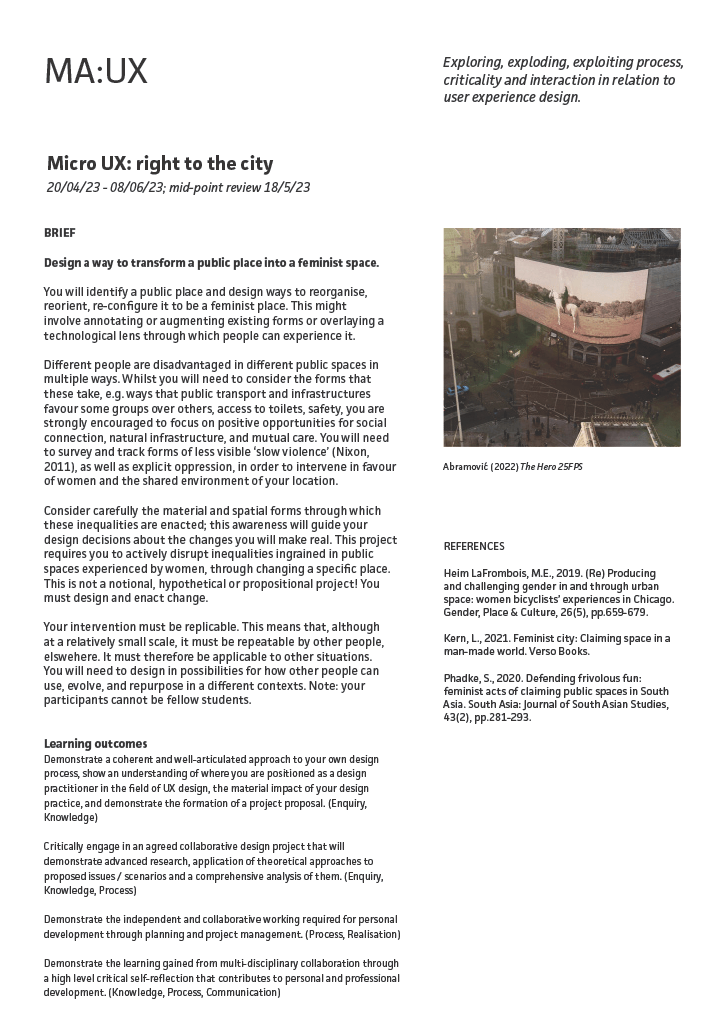
This week, we began work on our Micro UX brief: design a way to turn a public space into a feminist space.
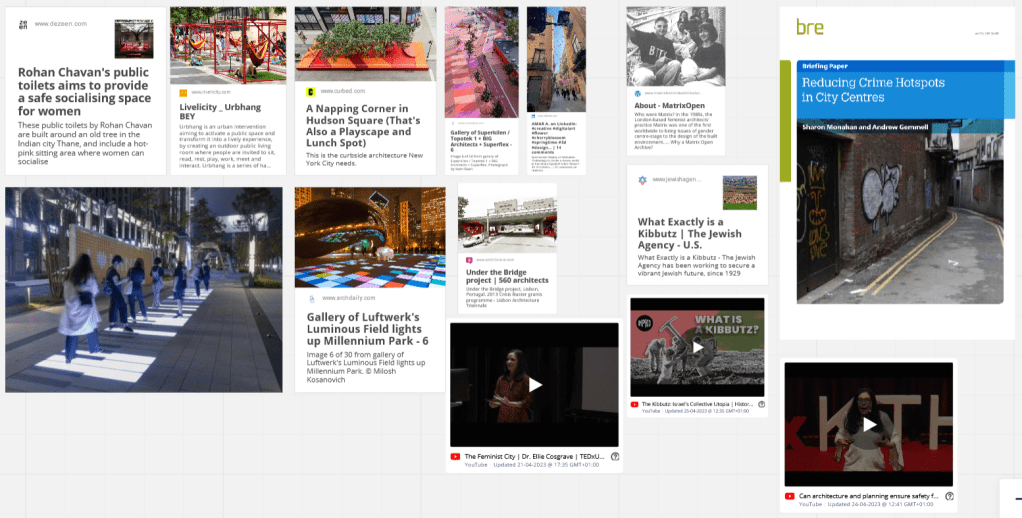
Due to the complex nature of the brief, as well as varying levels of exposure to similar topics among the team, we decided to begin with committing to an open-ended research phase, including a literature review.
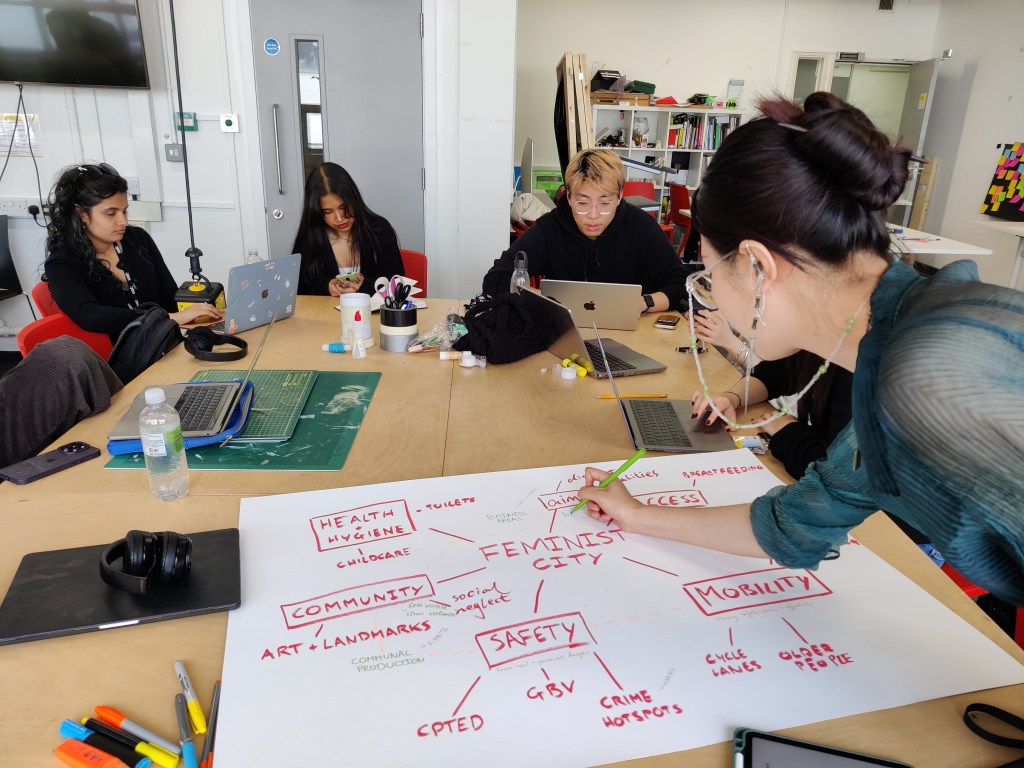
From our literature review, particularly from Kern’s Feminist City: A Field Guide, we identified the following subjects as areas where gender inequality was most profound in public spaces:
- Safety (both real and perceived dangers)
- Access (free and equal use of public space for all groups)
- Mobility (the ability to move freely in public space, including use of public transport)
- Health and hygiene (access to childcare, toilets and hygiene products)
- Community (representative design and reinforcing communal ownership)
Our next step was built upon a piece of advice that Glasshouse gave us: start by working out what a feminist space is not. To this end, we divided into groups and explored various areas of London in which we expected to find examples of unequal design. My group – myself, Jennoir and Weiting – started outside the Bank of England, and we moved through to Liverpool Street, up Shoreditch High Street, and through residential neighbourhoods in Bethnal Green.
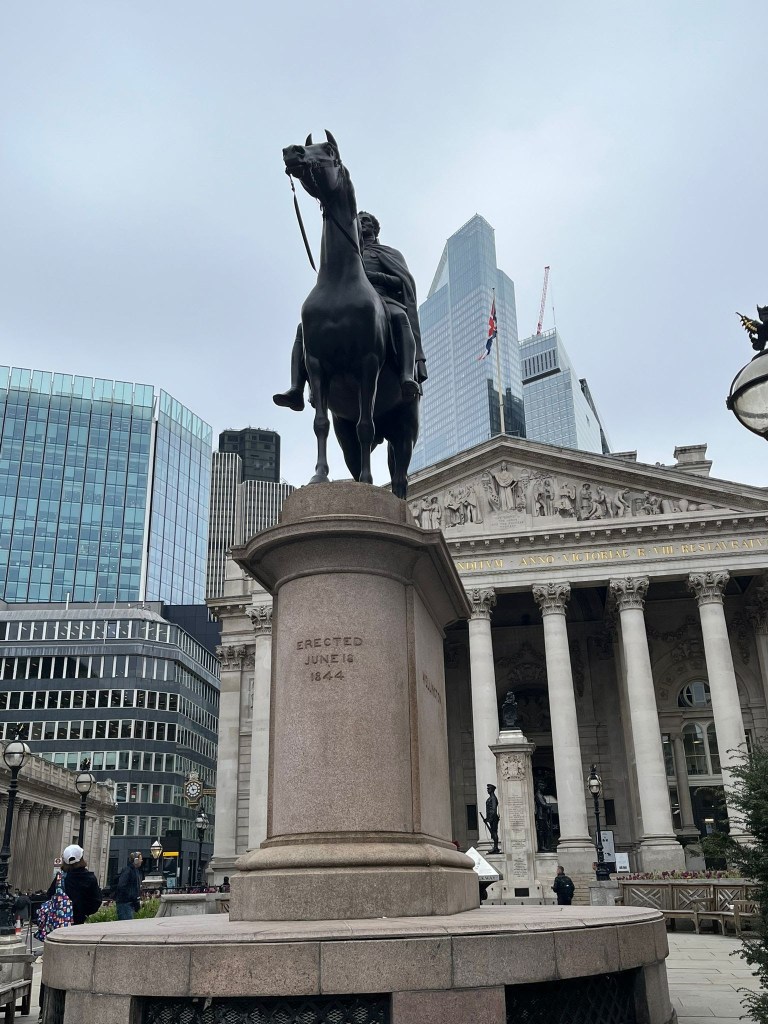
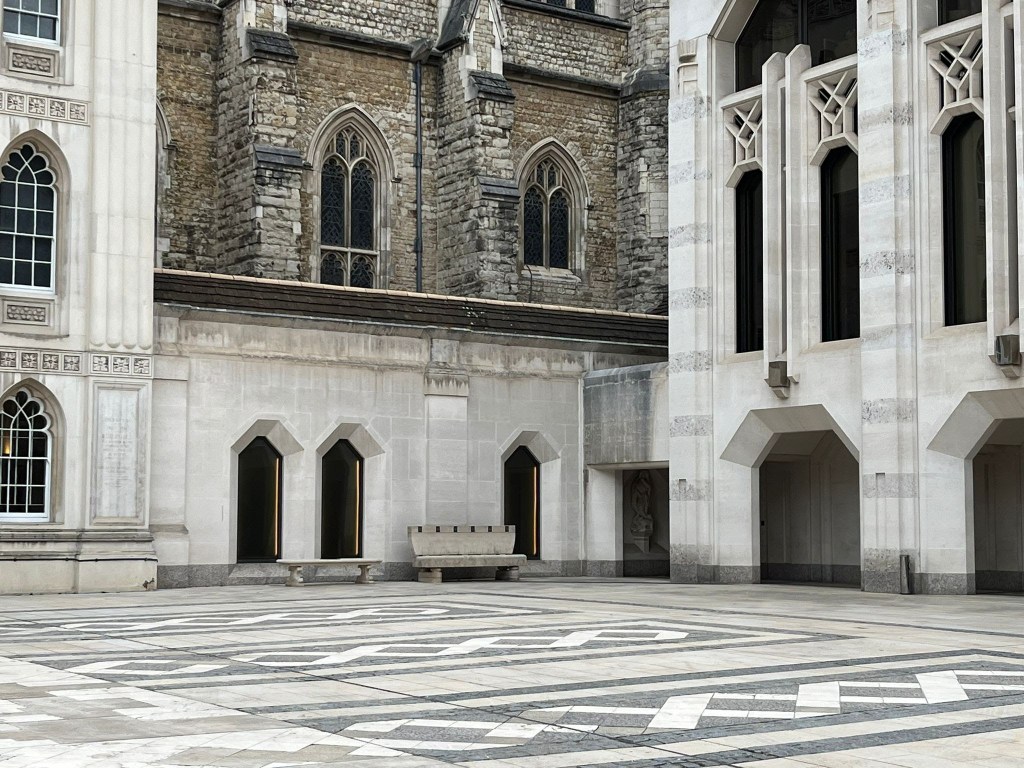
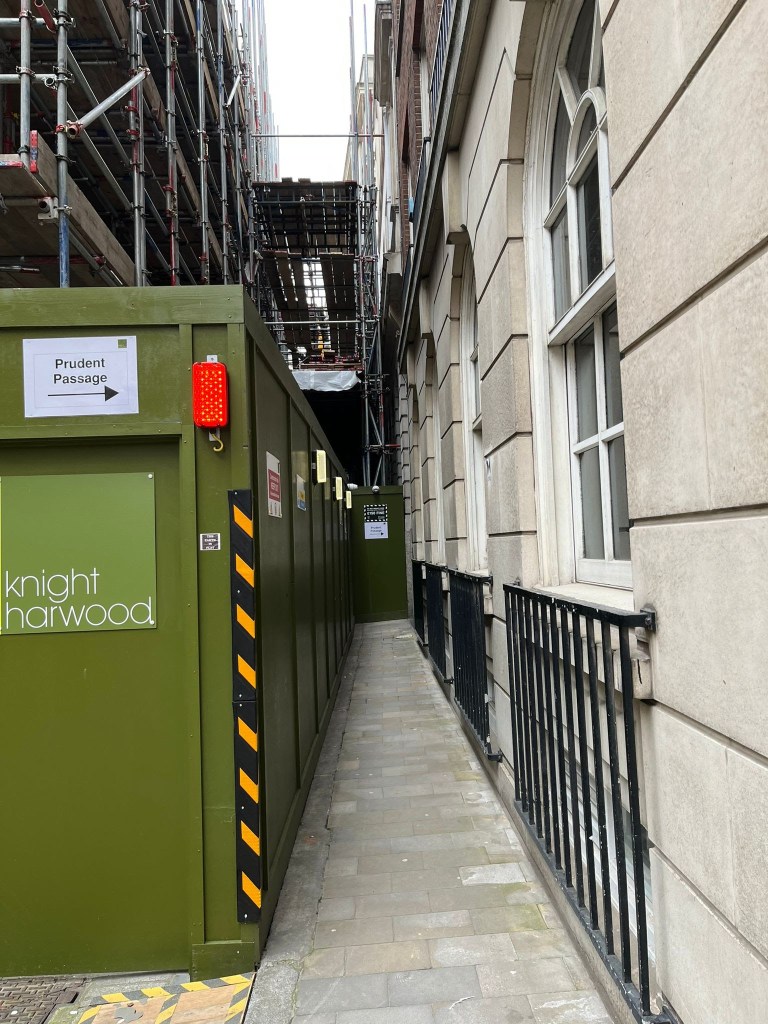
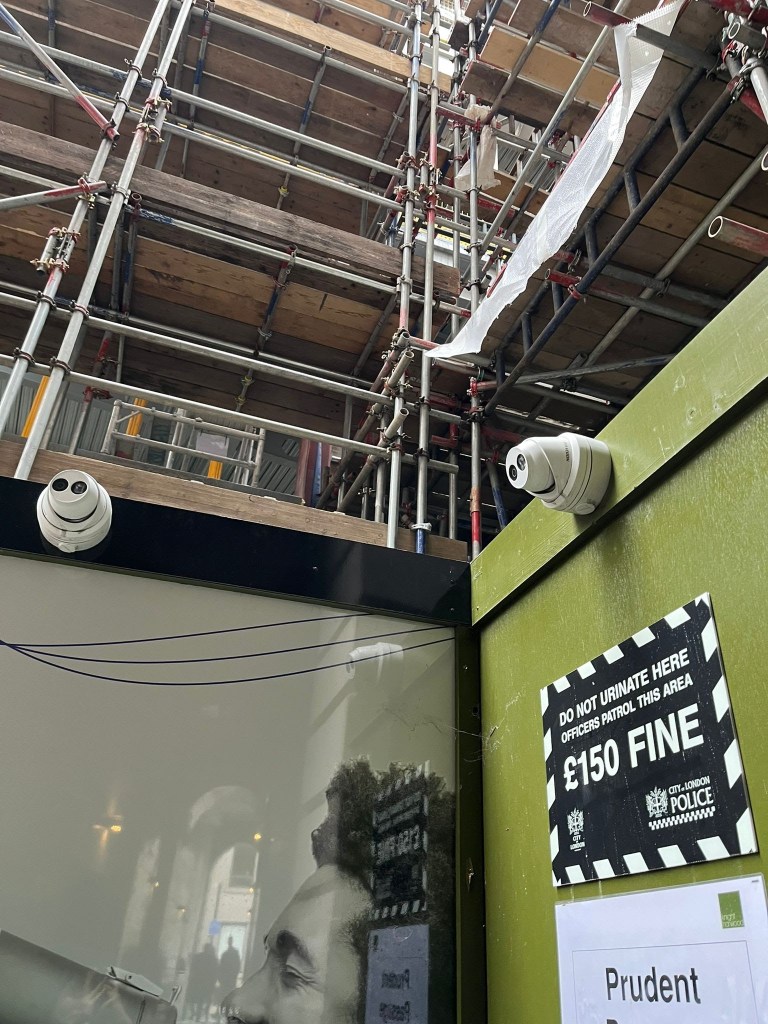
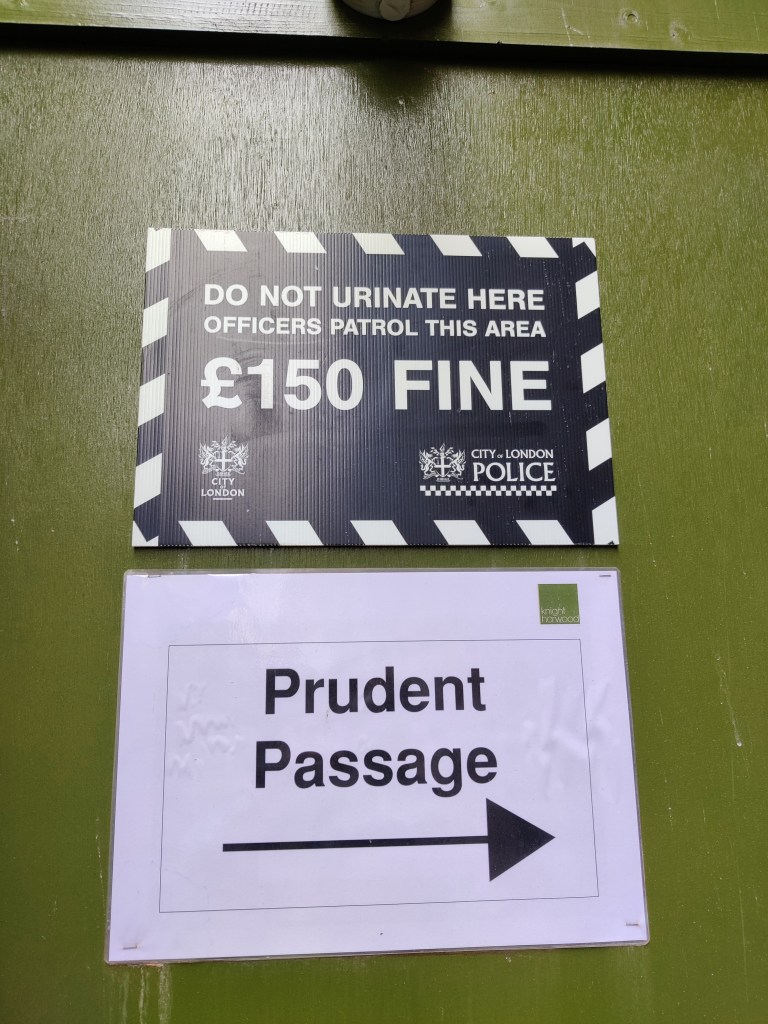
We found the following particularly interesting:
- CCTV was not the sole provider of surveillance in public space; overlooking residential properties reinforced feelings of safety as well
- The densely entangled nature of these aspects meant that there was room to solve feminist problems indirectly – for example, improving access for people with mobility issues would also increase accessibility for people with childcare responsibilities
Looking into next week, it is important we begin to move into more investigative research in which we get feedback from a wider variety of respondents. If this brief is to be tackled appropriately, co-design should be a key part of the process, as a “big ego” approach would result in very presumptuous and unrepresentative outcomes.
 Harry Solomons