Ahead of our Pecha Kucha proposal, we decided to take a walk on part of the London Loop from Hayes and Harlington to Uxbridge in order to inform a concrete way we could materialise our wayfinding ideas.
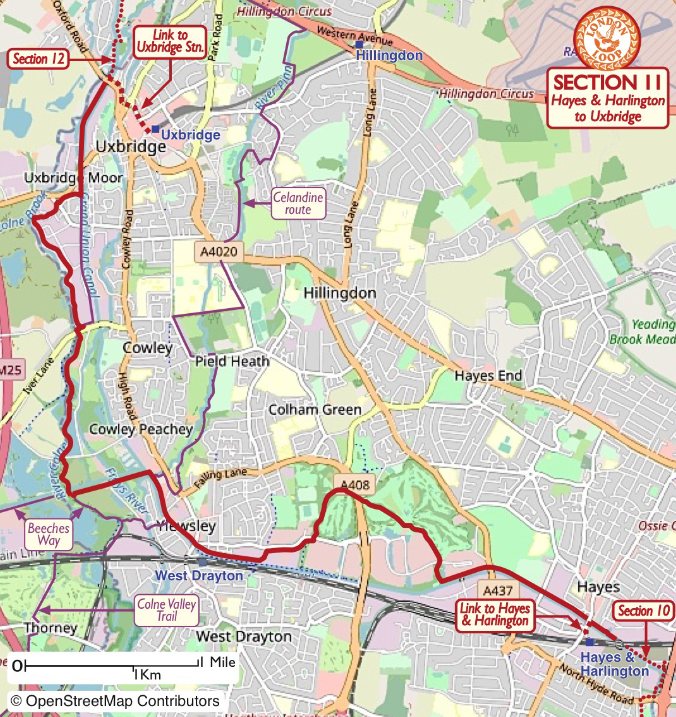
We were inspired by Iain Sinclair’s walks in London, documented in Lights Out for the Territory, but rather than mimicking one of these walks, we decided to mimic aspects of the strategy, setting out on a more predetermined route but particularly documenting the in-situ navigation materials present along the route (signs, maps and paths especially). In order to focus on this, we decided to primarily navigate using the written guide provided by Ramblers, with all top-down maps removed.


We made particular efforts to take photos of the waymarking along the route, which we found was often missing, destroyed or difficult to spot. While there was often only one path to take, we wondered how this would affect navigation in urban environments with more complex paths available.
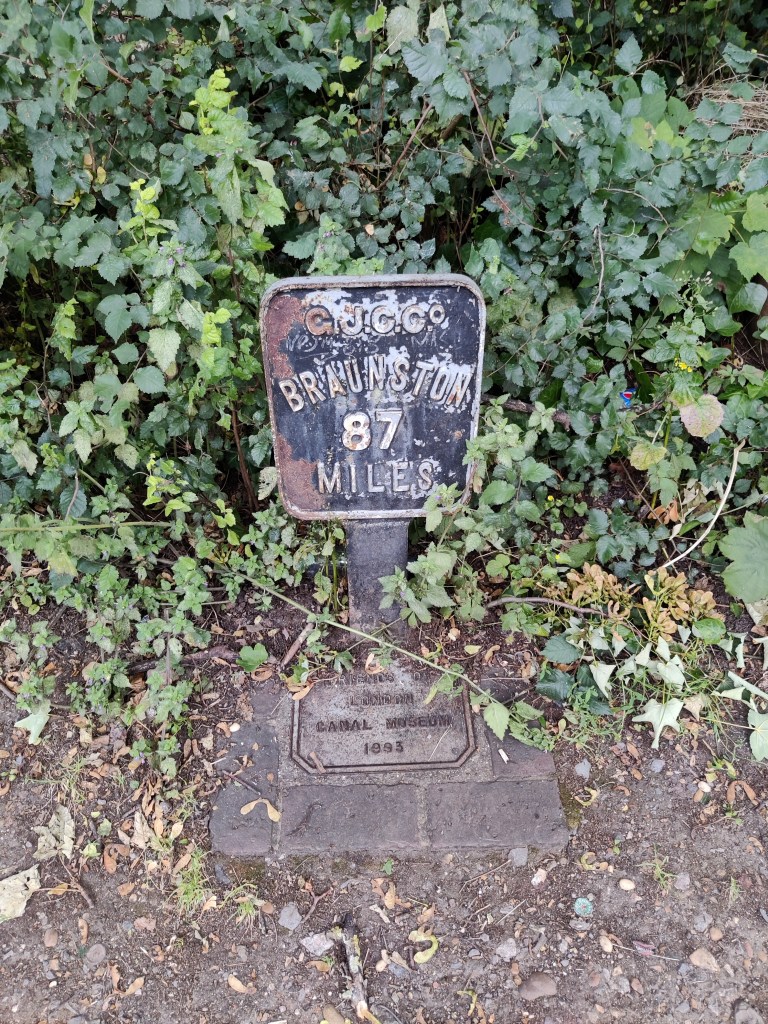

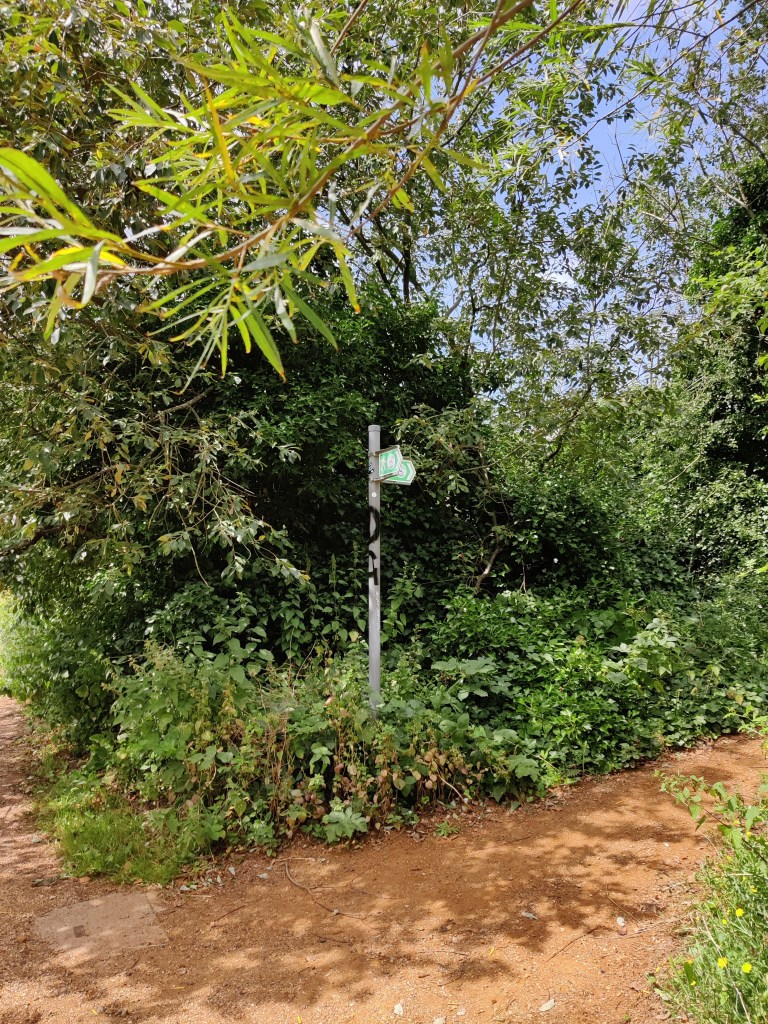

We also noticed an ambiguity in some of the language (e.g. “turn right away from the river” could be “turn right away from the river”) that led us to some further exploration of the immediate area in order to find the route. This indicated the possibility of ambiguity as a tool for exploration, reminding me of Gaver, Beaver and Benford’s Ambiguity as a Resource for Design, and how this could be a tool going forward. We also decided to formalise the first outcome we can create to aid wayfinding: a constructed language with which people could share their knowledge of the area.
We got the following feedback from our Pecha Kucha presentation:
- The effort we put into planning and rehearsing the presentation itself really paid off and communicated our ideas well;
- If we settle on the format of the language (visible? spoken? visual?) early, that could really help us (note: I don’t entirely agree with this; at this stage I would like to explore how it could be multi-sensory, similarly to naturally occurring human languages that mix visual, audio and somatic elements);
- If we are interested in multi-sensory experiences, we need to document multi-sensory research and include textures and sounds in our work.
 Harry Solomons