We decided that speaking to contacts in industry with experience in wayfinding could be a good way to further assess possible best practices for our next steps. The first person we were able to talk to was David Knight from DKCM, who Cristele had worked with on a previous brief. David’s work is largely on a regional scale and working closely with local authorities, which overlapped with our aims.
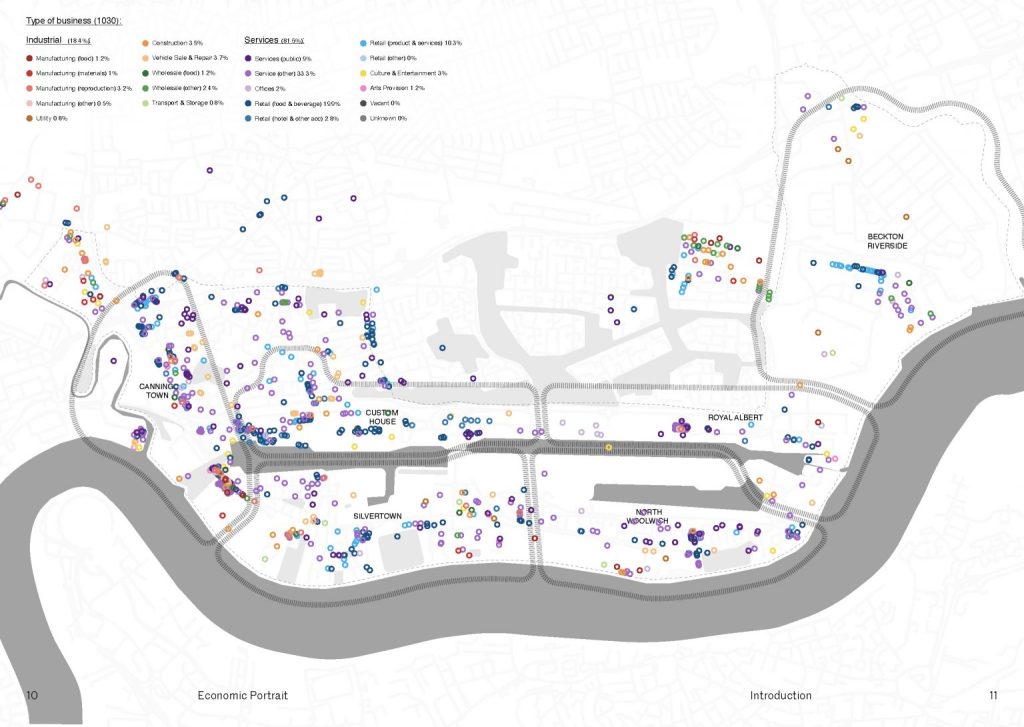
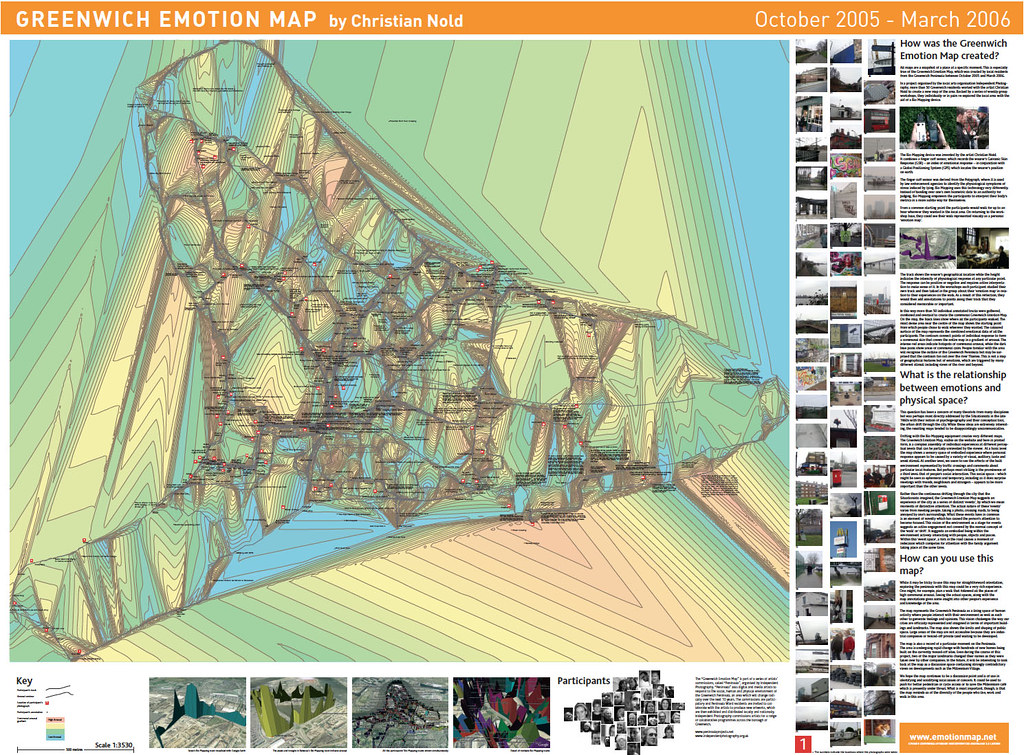
David explained that top-down maps can be a good way to engage with people about their local area, especially when supplemented with ground-level research. He also independently brought up several areas we had already begun researching, such as the work of the Situationist International, particularly Guy Debord’s theory of the derive. He further recommended studying the work of Legible London as a potential resource, as well as to focus on differences between older and newer areas of the city as potential sources of inspiration.
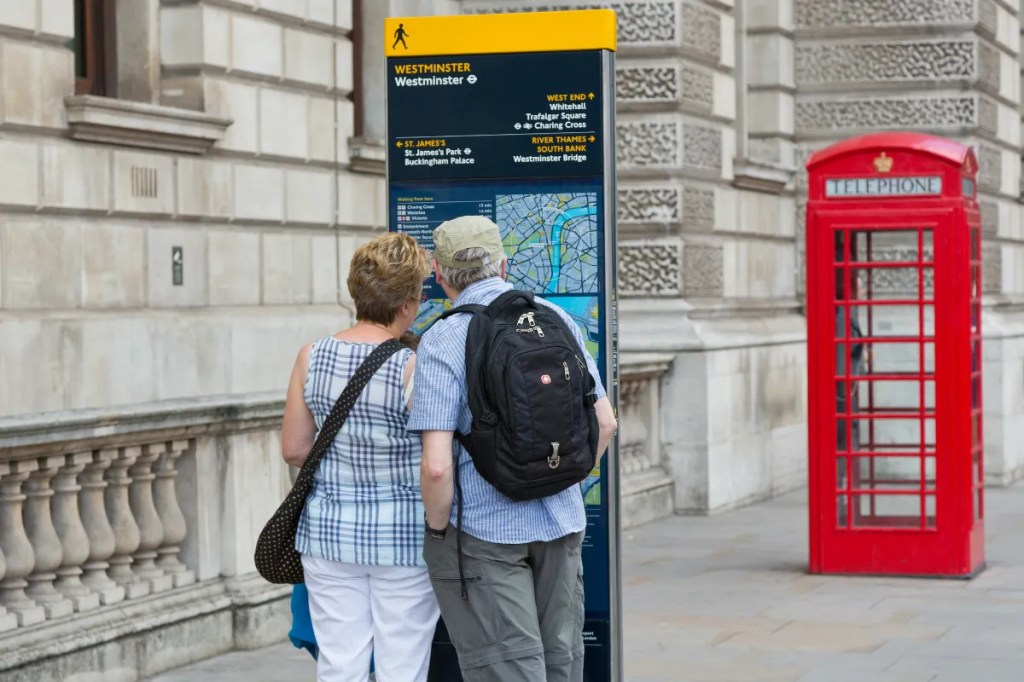
Following David’s recommendations, we were able to get in touch with Alex at Applied Wayfinding, the studio responsible for work on Legible London, a city-wide wayfinding scheme. Alex stressed that desktop research was a key part of his research, and not to be completely ignored, particularly when it comes to the practicalities of the project (such as planning regulations and standards). He reiterated the usefulness of studying contrasting areas (in his case, the difference between rural and urban areas), and remarked that an iterative working process would help in evaluating our project.
Finally, we were also able to talk to David Kopulos, a wayfinding designer at Steer in Canada. David was immediately excited by our project, as it linked to his MRes work which focused on gamifying urban wayfinding (verbatim, he mentioned that our project was “several steps down the road” from his own). He also mentioned Legible London as a useful resource, even from a Canadian design studio’s perspective, and reaffirmed the usefulness of iterative design as a form of evaluation. Finally, he mentioned the importance of allowing people to create their own tools in our setting, and a key element that we had not considered: we needed to plan for a point when we would step back from the project, allowing it to self-sustain.
 Harry Solomons