This week, we finalised and tested our first low-fidelity iteration of the compass, as well as the soundscapes created last week.

Following several potential leads going cold, we began to panic about gathering content for our soundscapes. I asked a question on the /r/london subreddit about people’s favourite places that were not in London any more, and received more than 600 responses overnight – this made us wonder why we hadn’t done this before. We’re aware that this self-selects for a specific group of people, but at this point in the project our initial outreach ideas must be de-prioritised into extension goals.
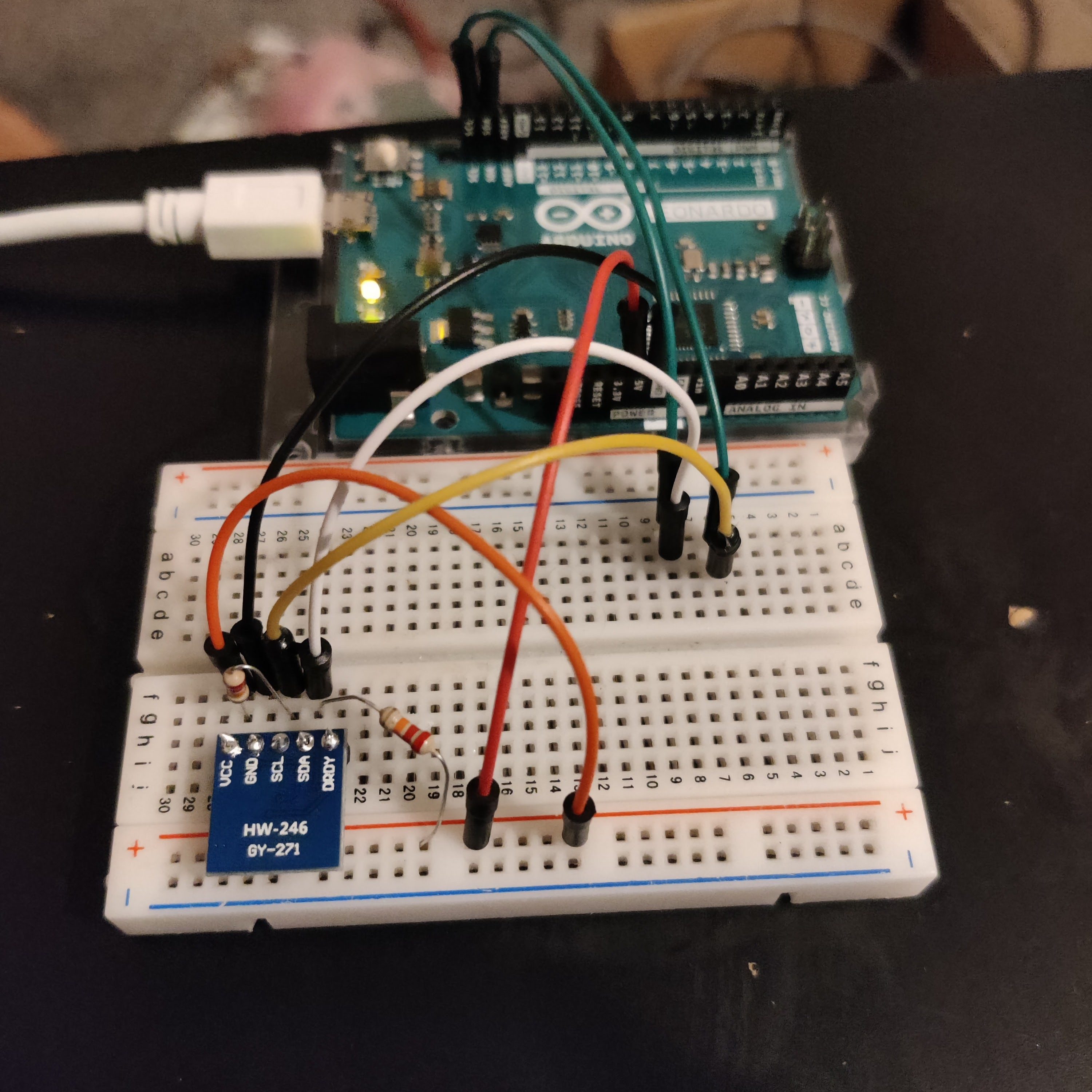
I also visited a friend to fix technical issues with our compass. Admittedly, if I had swallowed my pride and asked for help earlier here, I could have saved myself a lot of stress and gotten us testing at an earlier stage. I was lucky my friend was willing and able to devote an evening to our project at short notice.
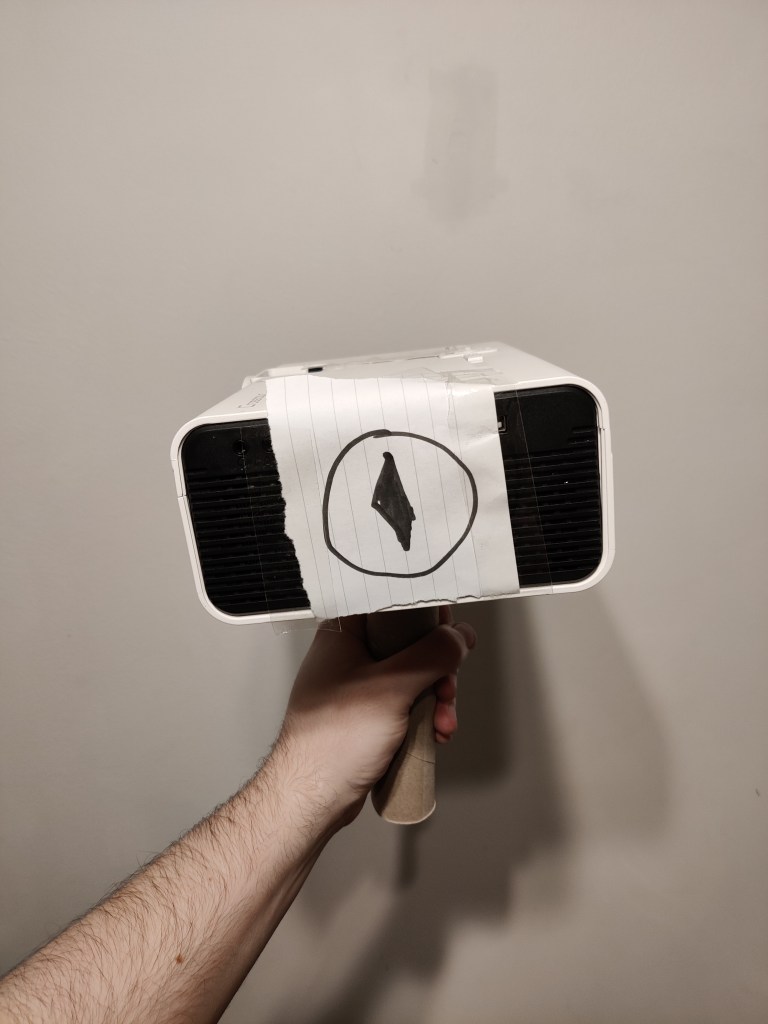
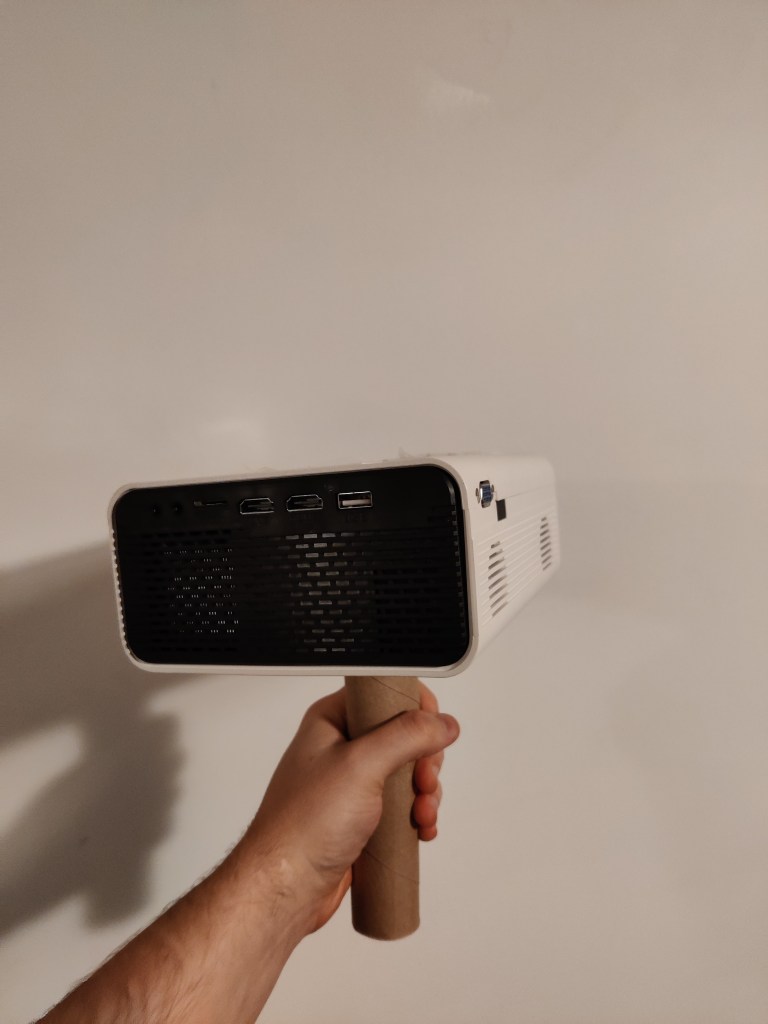
I decided to test potential ergonomics for the box (as well as a possible camera grip to mount on the bottom) with an overly large and heavy proxy for the compass – an old projector I had lying around. This showed that we would be able to make the compass carry-able, even if our tech and container were heavier than expected.


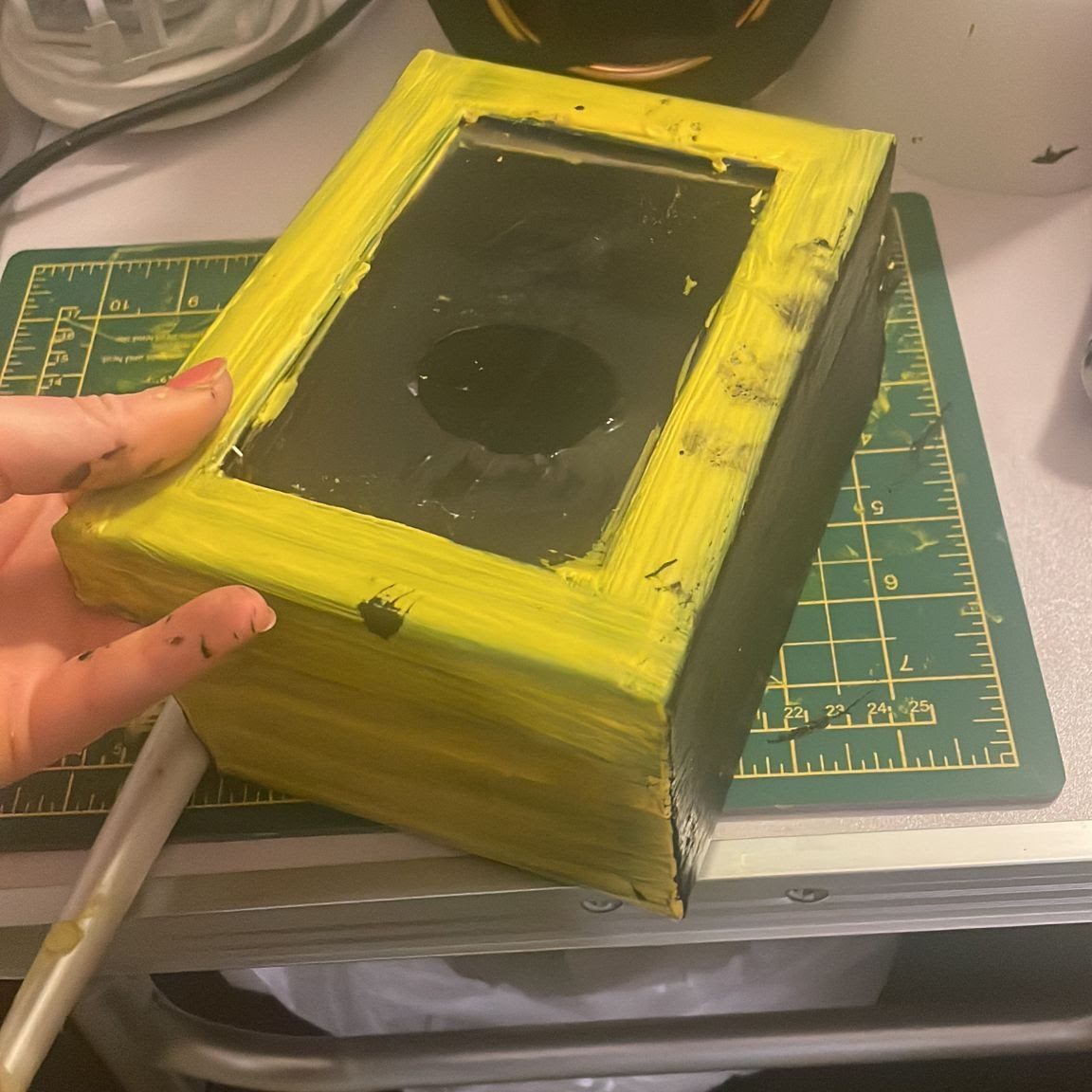
Cristele was able to find and paint a gift box from a local hobby store, and we connected our compass and motor inside to begin testing.

First, we got feedback from our lecturers in the Friday session:
- Perhaps Getlost was not the best choice of name. We weren’t getting people lost: they had a compass!
- We had focused too much on the completed deliverables (mostly digital and print) in our presentation, and so the poetry of the project had been overlooked
- We needed a good reason for the box to be box-shaped; if we could make it circular or hexagonal, it would be easier to carry and more eye-catching.
We also got feedback from John that the project was insufficiently innovative compared to projects we had used as inspiration, such as YouAreNotHere or [murmur]. We disagreed vehemently with that, as our project deals more heavily with embodying the rapid changes in urban landscapes over time, which neither project centralises. However, we agreed that perhaps we could make this more obvious in our presentations.
 Harry Solomons